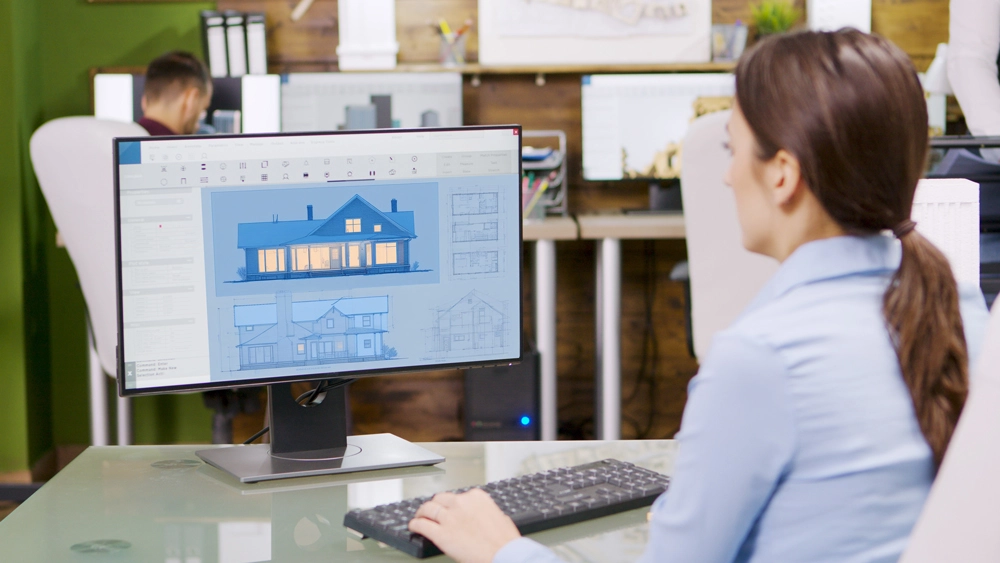


Achieve a high-performance workspace setup for remote work. Expert insights on ergonomics, tech, and productivity tools for peak remote efficiency.

Working remotely demands more than just a laptop and an internet connection. My journey over the past decade, spanning various projects from startup consulting to enterprise solutions across the US, has taught me that an optimized physical environment directly impacts output and well-being. A truly effective remote worker builds a dedicated space. This isn’t about luxury; it’s about smart choices that support sustained focus, clear communication, and professional delivery.
Overview
- A well-designed remote workspace is crucial for productivity and health.
- Prioritize ergonomic furniture to prevent strain and maintain comfort.
- Invest in reliable, high-speed internet and quality peripherals like monitors and webcams.
- Implement software tools for efficient communication and project management.
- Personalize your space to foster focus and minimize distractions.
- Regularly review and adjust your setup to meet evolving work demands.
- A dedicated zone signals professionalism and boundaries for remote teams.
Setting Up a High-performance workspace setup for remote work: Core Principles
Building an effective remote workspace begins with foundational decisions. First, identify a dedicated area. This space should ideally be separate from leisure zones to create a clear mental boundary between work and personal life. Even a corner of a room, if consistently used for work, can serve this purpose. Lighting is another critical element. Natural light is always preferable, reducing eye strain and boosting mood. Position your desk to maximize daylight exposure without creating glare on your screens. If natural light is scarce, invest in good artificial lighting that mimics daylight, such as a full-spectrum LED desk lamp.
Noise control is vital. In a busy household, noise-canceling headphones become indispensable. Think about soundproofing solutions like thick curtains or even acoustic panels if your setup allows. A clean and organized environment also plays a role in focus. Clutter creates visual noise, pulling attention away from tasks. Regular tidying and smart storage solutions keep the workspace orderly. These initial steps lay the groundwork for a truly productive environment, supporting the unique demands of remote professional roles.
Essential Technology for a High-performance workspace setup for remote work
Technology forms the backbone of any remote operation. A stable, fast internet connection is non-negotiable. I recommend a minimum download speed of 100 Mbps, especially for roles involving video conferencing, large file transfers, or cloud-based applications. In the US, many providers offer fiber optic services that meet these demands. Dual monitors significantly expand screen real estate, allowing for multiple applications to be open simultaneously, reducing context switching, and boosting efficiency. A high-quality webcam and microphone are essential for professional virtual meetings. Built-in laptop cameras often fall short in image clarity and sound pickup. An external 1080p or 4K webcam and a USB microphone provide superior presence.
Storage solutions are equally important. Cloud storage services like Google Drive or Dropbox facilitate file sharing and collaboration, while external hard drives offer reliable local backups. Power management ensures uninterrupted work. A reliable uninterruptible power supply (UPS) protects your equipment from power surges and provides a few minutes of backup power during outages, allowing for graceful shutdowns. Secure network practices, like using a VPN and strong passwords, also form part of this technological infrastructure. This thoughtful approach to hardware and network stability directly contributes to a high-performance workspace setup for remote work.
Ergonomics and Well-being in Your Remote Office
Ergonomics isn’t just a buzzword; it’s fundamental to long-term health and productivity. Sitting for hours without proper support can lead to chronic pain and decreased focus. Start with a high-quality ergonomic chair that offers lumbar support, adjustable armrests, and seat height. Your feet should be flat on the floor or a footrest, with knees at a 90-degree angle. Position your monitor at arm’s length, with the top of the screen at or slightly below eye level. This prevents neck strain.
A good keyboard and mouse are also crucial. Mechanical keyboards can offer a more comfortable typing experience, while an ergonomic mouse or trackball can reduce wrist strain. Standing desks provide flexibility, allowing you to alternate between sitting and standing throughout the day, improving circulation and reducing sedentary time. Regular breaks are non-negotiable. Every hour, stand up, stretch, and walk around for a few minutes. Hydration and healthy snacks keep energy levels steady. Prioritizing these ergonomic principles and well-being practices maintains your physical comfort and mental sharpness, ensuring sustainable remote work over time.
Optimizing Your High-performance workspace setup for remote work for Productivity
Beyond hardware and basic ergonomics, fine-tuning your setup for peak productivity involves workflow and environment tweaks. Software tools are crucial. Project management platforms like Asana or Trello help organize tasks and deadlines. Communication apps such as Slack or Microsoft Teams streamline team interactions. Focus tools, like browser extensions that block distracting websites, can maintain concentration during deep work periods. Personalization plays a significant role; a comfortable chair, a plant on the desk, or personal photos can make the space feel more inviting and conducive to work.
Creating routines around your workspace helps cement work-life boundaries. This might include a “start work” ritual, like brewing coffee and opening specific applications, and an “end work” ritual, like tidying the desk and closing the laptop. Regularly assess your setup. Do new tasks require different tools? Is something causing discomfort? Adapting your environment ensures it remains supportive of your evolving professional needs. This continuous optimization is key to maintaining a truly high-performance workspace setup for remote work, allowing you to consistently deliver your best work from anywhere.